Panels, enclosures, flashings and precision sheet components.
Processes
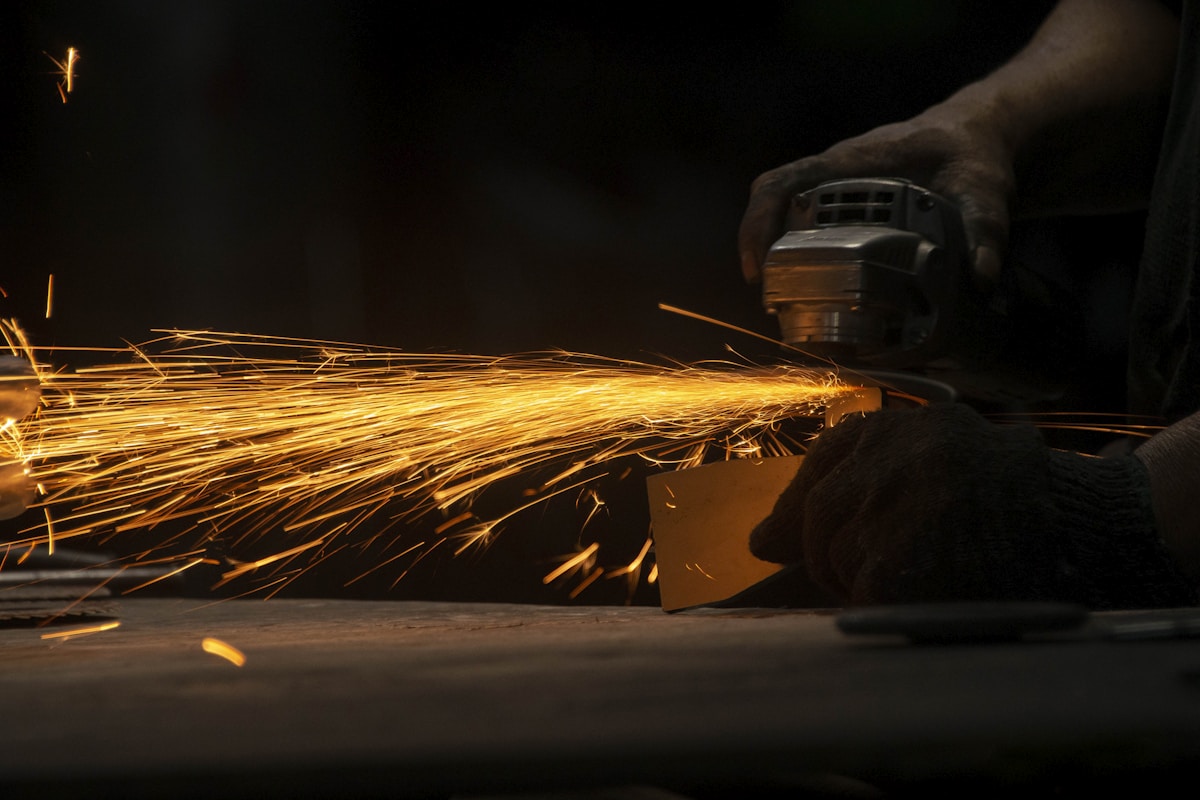
Sheet metal work includes laser or profile cutting, deburring, press brake forming, hardware insertion and assembly. We handle one-offs, prototypes and repeat batches.
Tolerance strategy follows function: clearance holes, bend relief, stiffening ribs and hems are checked against your model before first-off release.
Applications
Typical work includes electrical enclosures, equipment covers, architectural flashings, cable trays, HVAC-related metalwork and OEM panels.
Food and hygiene areas often need stainless with clean edges and accessible drain paths—we plan folds accordingly.
Design input
If you are still modelling, we can comment on minimum flange lengths, hole-to-edge rules and tooling access to reduce redesign.
Tab-and-slot self-fixturing may be suitable for some batches—we advise when it saves assembly time.
Finishes
Zincanneal, galvanised sheet, stainless and aluminium each need compatible hardware and handling. Coated sheet may be formed with tooling selected to minimise surface marking.
Gauge and bend tables
Commercial sheet work commonly spans 1.6 mm to 6 mm mild steel, thinner aluminium and 1.2–3 mm stainless for enclosures. Minimum flange lengths and inside radii depend on tooling—send thickness and material with the model.
Hems, joggles and stiffening ribs reduce panel flutter in large covers; we model these where your drawing shows intent or suggest them when spans are unsupported.
Enclosures and access hardware
Hinges, locks, seals and lift-off panels are installed when specified. Cut-outs for fans, filters and cable glands are CNC-profiled where quantities justify programming.