Corrosion-resistant and lightweight fabrication.
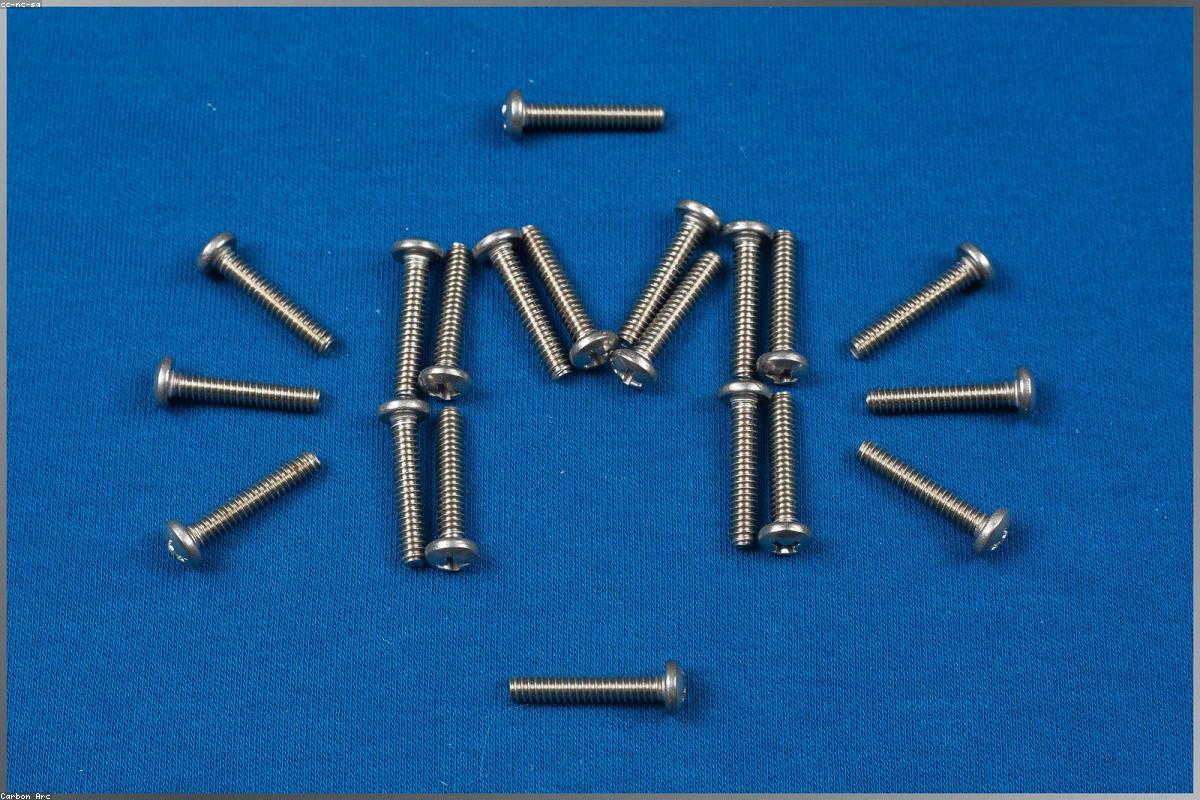
Stainless
Stainless fabrication for kitchens, food plants, amenities and coastal exposure uses grade selection and finish discipline discussed at quote. Pickling/passivation or specific directional graining can be coordinated.
Carbon contamination control matters on hygiene jobs—dedicated handling and cleaning steps are applied.
Aluminium
Aluminium fabrication suits screens, housings, lightweight structures and transport-related parts. Joint design accounts for cleaning, fit-up and distortion sensitivity.
Dissimilar metal interfaces with steel are isolated when drawings require it.
Appearance
Directional grinding and consistent joint profiles are agreed before production on visible stainless. Aluminium may be clear anodised or powder coated per specification.
Grade selection guidance
304 is standard for many kitchen and amenity jobs; 316 is considered where chlorides or aggressive cleaners dominate. Aluminium 5052/5083 families appear in sheet work; structural aluminium sections are sourced to drawing.
Pickling or passivation after fabrication may be required for critical stainless—allow time in programme and avoid contamination between pickling and site install.
Appearance and directionality
Directional grinding on stainless should be shown on an elevation or noted as ‘vertical grain all faces’. Mixed directions at corners are discussed at quote because they affect labour significantly.